Property Manager Water Damage Response: First-Hours Steps After a Building Leak or Overflow
When a building leak or overflow hits, the first few hours decide how expensive, disruptive, and unhealthy the aftermath becomes. That is especially true in Central Florida, where heat and humidity can turn a small water event into a mold problem faster than many owners expect. For a property manager, water damage is never just about wet carpet or stained drywall. It affects tenant communication, safety, indoor air quality, scheduling, insurance documentation, and sometimes the long-term condition of the building itself.
The hard part is that every loss feels urgent, but not every loss should be handled the same way. A third-floor supply line break in an occupied multifamily building creates one kind of response. A restroom overflow in a retail space creates another. Storm-driven water during hurricane season preparation Florida managers think about every year calls for a different mindset again, because access, power, and weather may work against you.
I have seen managers lose time by focusing on the wrong first move. They start with cosmetic cleanup, or they wait too long to bring in drying equipment, or they send maintenance into areas that should have been isolated. The best responses are calm, fast, and boring in the best sense of the word. They follow a sequence.
The first hour is about control, not perfection
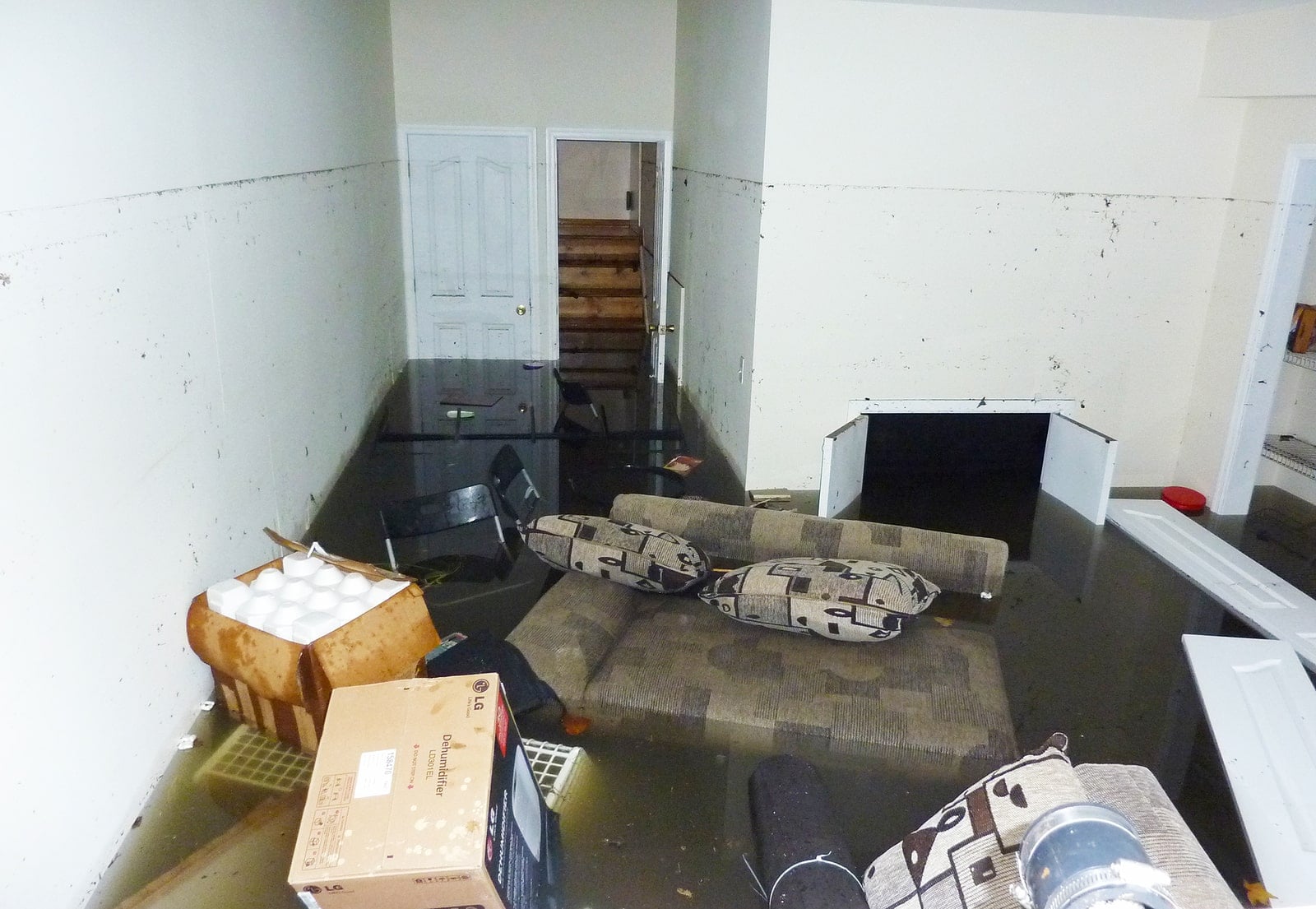
Right after a leak or overflow, the goal is not to restore the building. The goal is to stop conditions from getting worse. Water keeps moving long after the source is shut off. It wicks into baseboards, creeps under flooring, migrates into wall cavities, and settles in places nobody can see during the initial walk-through.
A strong property manager water damage response starts with three questions. Is the source stopped? Is the area safe to enter? What materials are wet right now, not just visibly wet? That sounds simple, but under pressure those questions get skipped.
If the leak is active, stopping it takes priority. That may mean shutting off a local valve, isolating a fixture, or cutting water to a section of the building. If electricity is involved, safety comes first. Water around outlets, equipment, or electrical rooms changes the risk immediately. People often want to save furniture or inventory before they assess hazards. That instinct is understandable and sometimes expensive.
Just as important, the scene needs to be stabilized so tenants, staff, and vendors do not create a larger mess by walking water through hallways or reopening spaces too early. In occupied buildings, a quick barrier setup and clear direction can prevent a single unit leak from becoming a common-area cleanup issue.
What a practical water damage checklist looks like
Most managers benefit from having a short water damage checklist they can use under stress. Not a binder full of theory, just the actions that matter when phones are ringing and tenants want answers.
- Stop the water source if it can be done safely.
- Restrict access and watch for electrical or slip hazards.
- Photograph visible damage and note the time the loss was discovered.
- Contact the appropriate restoration or 24/7 emergency cleanup Lake County provider if the loss is beyond in-house drying.
- Begin removing standing water and wet contents only after the area is safe.
That list is short on purpose. In the field, short wins. A checklist that fits on one screen gets used. A checklist that looks like a training manual gets ignored.
Documentation belongs in those first hours because memory gets sloppy once vendors, adjusters, tenants, and ownership all start asking questions. Time discovered, time source stopped, areas affected, and visible material conditions can all help later. Even basic notes such as “water reached the corridor outside suite” or “ceiling staining present in two offices” are useful.
Wet does not always mean contaminated, but you should not guess
One of the biggest mistakes in water losses is assuming all water events are equal. They are not. Clean water from a fresh supply line break is one scenario. Overflow from a drain, toilet, or unknown source can involve a very different level of concern. That affects what can be salvaged, what should be discarded, and how much containment is appropriate.
Managers sometimes ask whether they can just dry everything and move on. Sometimes yes, sometimes no. The deciding factors include source, time, material type, and how far the water traveled. Porous materials absorb and hold moisture in ways that hard surfaces do not. A wet vinyl floor may be cleaned and dried if conditions allow. Wet insulation or saturated ceiling tile is a different conversation.
This is where the distinction between mitigation vs remediation matters. Mitigation is about limiting immediate damage, extracting water, stabilizing the environment, and reducing further spread. Remediation addresses contamination or conditions that require a more corrective process, such as commercial mold remediation after prolonged moisture exposure. Managers often use those terms interchangeably, but they do not mean the same thing operationally or financially.
Why drying starts earlier than many people think
In Florida, waiting even half a day to begin proper drying can be costly. The climate is already working against you. High ambient humidity means materials do not give up moisture easily. Add closed buildings, warm interiors, and poor airflow, and you have a recipe for persistent dampness.
That is why dehumidification and air scrubbers come up early in restoration conversations. They do different jobs. Dehumidification reduces moisture in the air so wet materials can dry more effectively. Air scrubbers are generally used to help address airborne particles and improve conditions in contained work areas when that type of control is warranted. They are not magic boxes, and they are not interchangeable. A manager who understands that difference asks better questions and gets better results from vendors.
A common field mistake is relying on comfort instead of measurement. A room can feel dry and still hold moisture in drywall, framing, or subflooring. Conversely, a room can feel muggy because drying equipment is working hard, not because nothing is happening. Experienced responders track conditions rather than relying on a quick walk-through.
The Florida factor changes the clock
In Lake County and across nearby Central Florida communities, water events rarely happen in a vacuum. Afternoon storms, long humid stretches, and seasonal weather patterns all shape the response. During Florida’s official hurricane season, which runs from June 1 through November 30, preparation should happen before the season starts. For property managers, that is not just about sandbags or roof checks. It also means reviewing emergency contacts, confirming who can authorize after-hours work, and understanding where water shutoffs and vulnerable building systems are located.
Older buildings deserve special attention. A home inspection older homes Florida buyers order is meant for a sale, but property managers can borrow the mindset. Older plumbing materials, aging roofs, historic repairs behind walls, and long-term HVAC strain can all influence how a water loss unfolds. In older multifamily and mixed-use properties, one leak sometimes reveals three older issues that had been hidden by paint and patching.
The climate also shapes indoor air quality Florida owners worry about year-round. Even a relatively small leak can affect occupied spaces if moisture lingers in wall cavities, under flooring, or above drop ceilings. People often think indoor air quality problems arrive only after obvious mold growth appears. In reality, damp materials, musty odors, and dust disturbance during cleanup can all matter before anyone sees spotting on a wall.
Mold myths create expensive delays
No topic wastes more time after a water loss than mold myths. The most common one is that you should test first and decide later. In Florida, health guidance does not treat mold testing or sampling as the first step. The first step is looking for signs of moisture or water damage and correcting the moisture problem. That practical approach makes sense in real buildings. If materials are wet, the moisture issue needs attention whether a test is done or not.
Another myth is that a little bleach fixes everything. It does not solve hidden moisture, and it does not replace proper removal or drying when porous materials have been affected. Yet another myth is that if you cannot smell mold, you do not have a mold problem. Odor is a clue, not a complete assessment.
The managers who handle these situations best do not get distracted by internet folklore. They focus on moisture source, affected materials, occupancy, and drying progress. If visible growth is present or if moisture has lingered long enough to create broader concern, then commercial mold remediation may become part of the project scope. That is a different stage from emergency extraction, and it needs to be approached with the right level of care.
Tenant communication can save the job or sink it
A property manager can do many technical things right and still end up with a rough outcome if communication is poor. Residents and tenants mainly want to know four things: what happened, whether the space is safe, what happens next, and when they will get another update.
Silence creates panic, and overpromising creates anger. The sweet spot is steady, factual communication. If the source has been stopped, say so. If certain areas are closed, explain why. If drying equipment will be noisy overnight, warn people before they hear it. If there is uncertainty, say that too. Most people tolerate inconvenience better than vagueness.
This matters even more in commercial settings. A retail tenant losing part of a sales floor wants to know whether they should move inventory. An office tenant wants to know whether server equipment or records are at risk. A restaurant tenant is thinking about sanitation, reopening, and odor control. Your updates need to reflect the actual use of the space.
What not to do in the first hours
There are a handful of mistakes that show up again and again after a building leak or overflow, and they almost always cost more than the manager expected.
- Do not assume visible water is the full extent of damage.
- Do not restart HVAC in affected areas without thinking through moisture and contamination spread.
- Do not throw away materials before documenting their condition.
- Do not rely on odor alone to judge cleanliness or dryness.
- Do not let occupants reenter too soon just because standing water is gone.
That second point deserves extra attention. HVAC systems can help with some building conditions, but they can also move moisture, odors, or particulates where you do not want them. Each situation needs judgment. A blanket rule is not helpful.

Older buildings can hide more than the leak itself
If you manage older commercial or multifamily buildings, water losses sometimes uncover conditions that change the project. A stained wall gets opened and reveals previous patching. A wet ceiling cavity exposes older pipe insulation or construction materials that trigger a different protocol before disturbance.
That is where an asbestos survey before renovation becomes important in the right context. In Florida, asbestos work is regulated through licensure and abatement rules, and licensed professionals are required to follow applicable work practices and notification requirements. If demolition, renovation, or removal of suspect materials is on the table, managers should not improvise. The point is not to turn every leak into a major environmental event. The point is to recognize when the next step crosses from routine drying into regulated material disturbance.
Florida’s asbestos rules are aimed at minimizing fiber release during demolition and renovation, particularly in commercial, public, and residential buildings, though some smaller residential situations may be treated differently depending on the project. For a property manager, the practical lesson is simple. If the response will involve opening older materials, ask the right question before authorizing intrusive work. It is much easier to slow down for a proper survey than to explain a preventable compliance problem later.
Smoke, odor, and water can overlap more than people expect
Water losses do not always arrive alone. In some properties, a small electrical event, appliance failure, or storm-related incident can leave both water issues and odor concerns. Smoke odor removal is its own specialty, and it should not be treated as the same thing as drying wet materials. Odor molecules, wet porous contents, and HVAC distribution can create a layered problem.
I have seen managers focus so heavily on the water extraction that they miss persistent odor trapped in soft contents or duct-adjacent spaces. Then, a week later, occupants complain that the room smells “burnt” or “musty,” and everyone assumes the drying failed. Sometimes the drying was fine. The odor issue simply needed a separate plan.
The same goes for musty smells after a leak. Odor does not tell you the whole story, but it does tell you not to ignore the whole story. If a building smells damp after extraction, look at drying progress, hidden materials, and air handling decisions before declaring the job finished.
Choosing help without losing control of the process
Property managers do not need to be restoration technicians, but they do need enough working knowledge to manage vendors intelligently. Ask what is being done now, what is being monitored, and what conditions must be met before equipment is removed. If a project shifts from simple water mitigation toward mold-related work or regulated material concerns, the scope should become more formal, not less.

Training matters here. In the restoration field, there are recognized certifications related to microbial remediation, structural drying, and building moisture inspection. That does not tell you everything about the quality of a company, but it does tell you there are professional frameworks behind the work. A good manager listens for specificity. Vague promises are a warning sign. Clear explanations of wet materials, drying goals, and containment decisions are much more useful.
For managers in Groveland and surrounding areas such as Clermont, Minneola, Mascotte, Howey-in-the-Hills, Mount Dora, and Leesburg, local climate awareness matters too. A response plan that might be acceptable in a drier region can fall short in Lake County because humidity changes the pace and the risk profile. That is one reason many managers keep a 24/7 emergency cleanup Lake County contact ready before storm season starts, rather than scrambling after the first ceiling collapse or overflow call.
The handoff from emergency to recovery
After the first few hours, the job becomes less dramatic and more technical. Moisture mapping, drying progress, material decisions, repair planning, and occupant coordination take over. This is also where impatience can undo good early work. If damaged materials are closed up too soon, if repairs begin before proper drying, or if reoccupancy decisions are made on appearance rather than conditions, the original event keeps costing money long after the puddles disappear.
That handoff is where managers should pause and ask, “Are we still in mitigation, or have we moved into remediation and repair?” It sounds like a small distinction, but it affects scheduling, documentation, and expectations. Owners want to know when the emergency ends. Tenants want to know when normal use returns. Contractors want to know who is authorizing what. Clear phase changes make all of that easier.
A calm first response pays off for months
The buildings that recover best from leaks and overflows are rarely the buildings with the fanciest equipment or the longest vendor roster. They are the ones where somebody took charge early, stopped the source, protected people, documented conditions, and respected how fast moisture problems grow in Florida.
For property https://housecare726.raidersfanteamshop.com/fire-and-smoke-damage-cleanup-what-groveland-homeowners-should-expect-in-the-first-24-hours-1 managers, that means treating every water event as both a maintenance issue and a building health issue. It means understanding that indoor air quality Florida concerns often start with moisture control, not with a lab report. It means recognizing when a straightforward extraction remains straightforward, and when older materials, hidden dampness, or visible growth push the job into a different category.
Most of all, it means not waiting for certainty before acting. In the first hours after a building leak or overflow, certainty is a luxury. Control is the goal. Once you have that, better decisions follow.