Asbestos Abatement Lake County Guide: What Homeowners Should Know Before Demolition or Major Remodeling
If you are planning to open walls, remove old flooring, tear out a bathroom, or take a house down to the studs, asbestos needs to be part of the conversation early, not after the debris is already on the driveway.
That matters in Lake County because many homes and small buildings have gone through decades of additions, patchwork repairs, and storm-related fixes. In Groveland and nearby communities, the climate adds another layer. Hot, humid summers, heavy rain, and hurricane season can push moisture into places homeowners do not see right away. Once a project starts, people often discover that one concern leads to another: asbestos in old materials, mold behind drywall, HVAC mold remediation after long-term condensation, or water damage cleanup in Central Florida after a roof leak or flood event.
The biggest mistake I see is treating demolition like a purely cosmetic step. It is not. Demolition changes how dust moves, how contaminants spread, and how insurance questions get answered if there is already storm, smoke, or water damage in the picture. Before any major remodeling begins, a little planning can save a lot of money, delay, and stress.
Why asbestos comes up during remodeling
Asbestos is usually not a problem because a material merely exists in the home. The problem starts when renovation or demolition disturbs it. Cutting, sanding, scraping, breaking, drilling, or hauling debris can turn a quiet issue into an active one.
This is especially relevant in older homes. Federal guidance also reminds homeowners that houses built before 1978 may contain lead-based paint, which means a remodel can involve more than one hazard at the same time. A kitchen tear-out, for example, might look straightforward until you realize the wallboard, texture, old flooring, adhesive, or nearby painted trim all need to be considered carefully before workers start ripping things out.
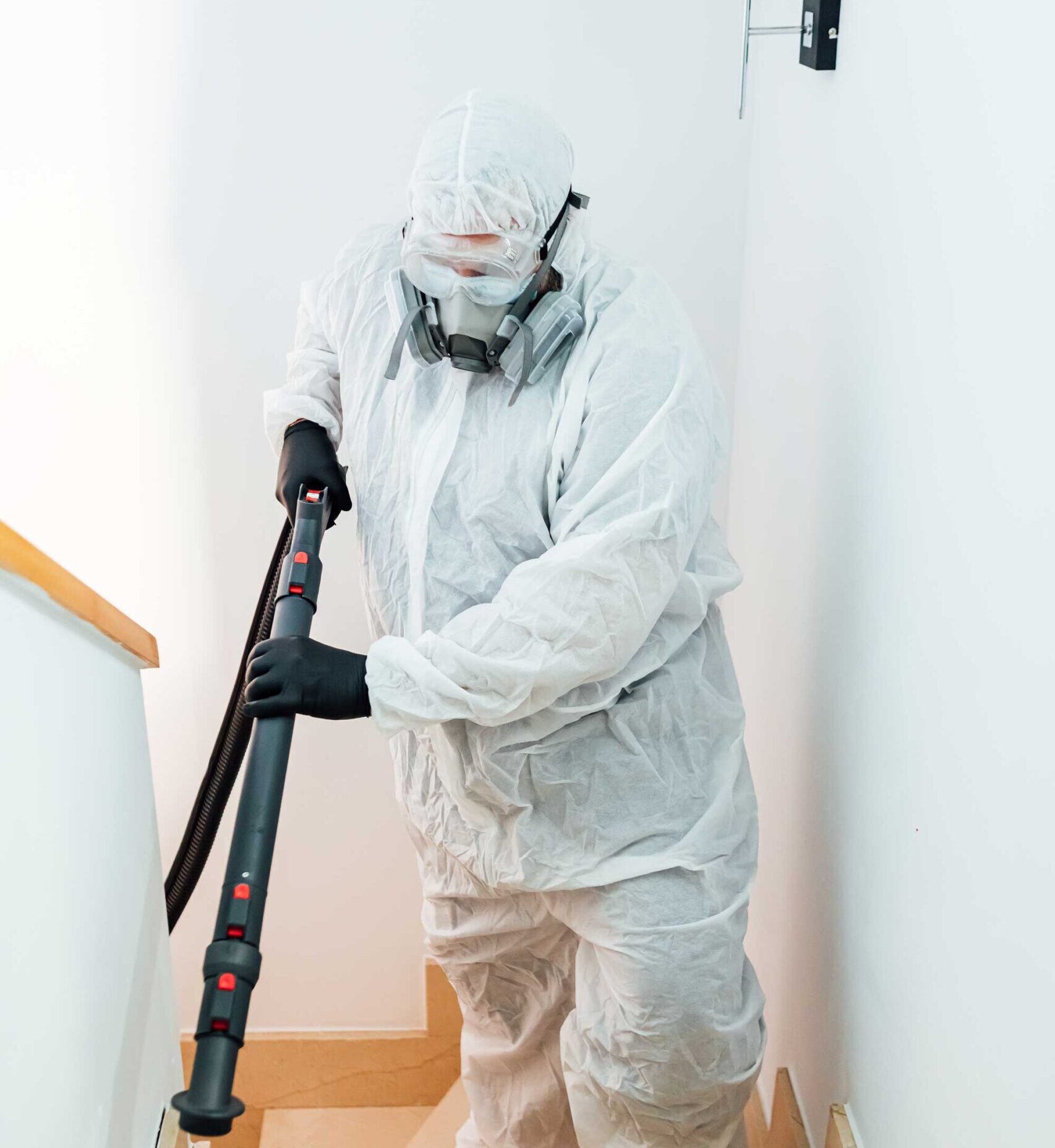
That is why Groveland FL asbestos testing often comes up before a remodel gets underway. Testing is not about creating red tape for its own sake. It is about learning what you are dealing with before your contractor, your family, and your HVAC system are exposed to dust from disturbed materials.
What “abatement” really means to a homeowner
Homeowners often use asbestos testing and asbestos abatement Lake County as if they are the same thing. They are related, but they are not identical.
Testing is the process of identifying whether a suspect material contains asbestos. Abatement is the controlled handling of that material during removal, repair, or demolition under applicable rules. For the homeowner, the practical difference is simple. Testing answers, “Is it there?” Abatement answers, “How do we deal with it safely now that we know it is there?”
That distinction matters because a remodel schedule often depends on it. If you skip the first question, the second one tends to arrive at the worst possible moment, usually after the project is already messy and expensive.
The Lake County wrinkle: moisture changes everything
Homes in this part of Florida do not exist in a dry, steady environment. Moisture is a constant factor. Florida health guidance is clear that mold grows when moisture is present, and common sources include roof leaks, plumbing leaks, flooding, condensation, weak bathroom or kitchen ventilation, and HVAC or drain-pan problems.
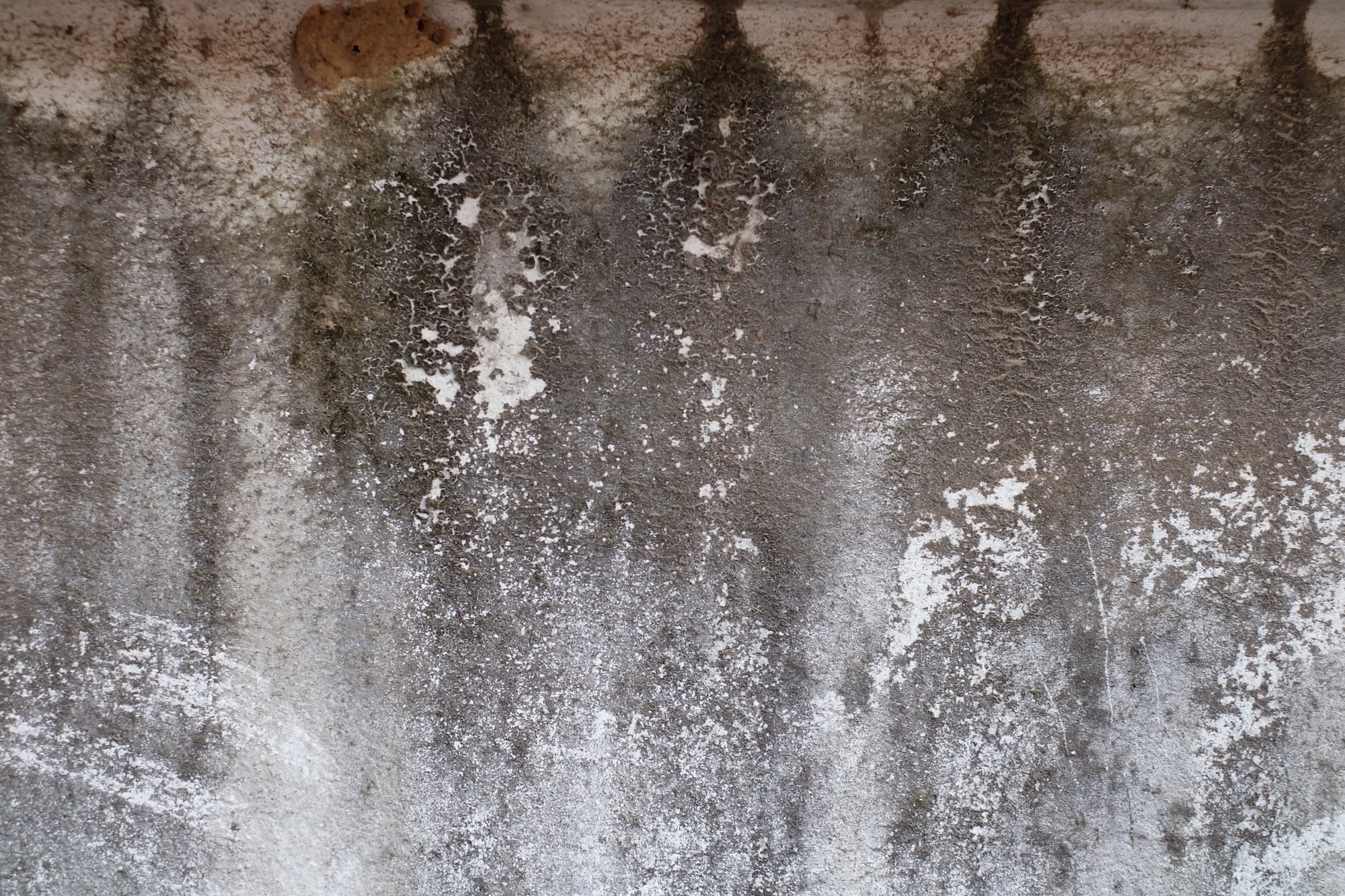
That matters during demolition because once walls and ceilings are opened, hidden conditions often show up at the same time. A crew may start with a planned tear-out and then find staining around an air handler closet, damp insulation from an old roof issue, or fungal growth around a supply register where the system has been battling humidity for months.
In practice, homeowners are often surprised that an asbestos conversation turns into a mold removal Groveland conversation in the same week. That is not unusual. It is just what happens when old building materials, trapped moisture, and major remodeling meet each other.
Florida health guidance also notes that visible mold or recurring mold usually means the underlying moisture source still has not been fixed. So if a wall cavity is opened and mold is found, the right answer is not simply to wipe it down and close the wall. The source has to be addressed, whether that is a plumbing issue, a leak, or an HVAC problem.
When HVAC systems become part of the job
A central air system can quietly spread dust and moisture-related problems from one room to another if the system has its own issues. Florida health guidance says that if a central AC system is being used to lower humidity below 60 percent, the system should be examined for problems. That point gets overlooked all the time during remodeling.
Here is a common real-life scenario. A homeowner notices a musty smell in one room, decides to renovate, and assumes the odor will disappear once finishes are updated. But after demolition starts, the crew finds signs of recurring condensation near vents or an air handler area. At that point, HVAC mold remediation may be part of the broader project, especially if moisture has been feeding growth inside or around system components.
This does not mean every older system is contaminated. It does mean the HVAC system should not be treated as separate from the rest of the house. If you are paying for demolition, drywall work, and finish repairs, that is the right moment to ask whether the system has contributed to the problem or has been affected by it.
Damage history matters more than most people think
Some homes come into a remodel clean and dry. Others come in with baggage. A previous roof leak, minor flood, storm intrusion, smoke event, or sewage backup can change the risk profile of a renovation.
If the house has had water damage cleanup in Central Florida at any point, it is worth reviewing what was repaired and what was merely dried or covered over. If there was hurricane damage restoration Florida work after a major storm, ask what areas were opened, what was replaced, and whether moisture-prone cavities were fully addressed. If there was fire and smoke damage cleanup in the past, remember that soot and odor can migrate into porous materials and concealed spaces. If there was sewage cleanup after a backup, health risks and contamination controls become especially important.
These situations matter because demolition removes the finishes that may have been hiding old problems. Once walls and floors are opened, you want a clear plan for what happens if workers find contamination, moisture damage, or suspect materials that were never tested in the original repair.
Before the first hammer swing, ask these five questions
This is the part homeowners can control, and it prevents a surprising number of bad project starts.
- Has any suspect material in the demolition area been evaluated before work begins?
- Does the project involve an older home where lead-based paint could also be disturbed?
- Has the house had leaks, flooding, storm intrusion, smoke, fire, or sewage issues that could affect demolition?
- Is the HVAC system showing signs of moisture trouble, musty odors, or condensation-related problems?
- If hazardous or contaminated material is found mid-project, who stops work, documents the issue, and changes the scope?
Those questions are basic, but they tell you whether the project is being approached thoughtfully or casually. Casual is expensive.
What a sensible pre-demo plan looks like
A good plan is not always complicated. It is usually just organized. The homeowner knows what part of the house is being disturbed, what concerns already exist, and who is responsible for decisions if new damage is discovered.
If you are hiring a remediation company Lake County homeowners trust for broader cleanup or restoration work, ask whether the company can coordinate with the trades involved in demolition and rebuilding. Projects run more smoothly when the people handling contamination concerns are not isolated from the people handling reconstruction.
Coordination becomes even more important when there has been a recent loss. FEMA recovery guidance advises homeowners to document damage and coordinate with their insurer during cleanup and repairs after flood, storm, smoke, or fire events. That means photos, notes, and communication should start early. Do not assume you will remember what the wall looked like before it was removed, or which room had the heaviest staining, or when that odor first appeared. Documenting conditions before and during opening-up work can save arguments later.
I have seen homeowners rush to “just get it done” after months of stress, only to find that their documentation is thin and their project story is hard to reconstruct. Slow down enough to create a paper trail.
If the project starts after a storm or flood
Storm season changes the order of operations. After a major weather event, people naturally focus on getting back inside and getting the house dry. That is understandable, but reentry and cleanup have to start with safety.
FEMA and CDC flood guidance say flooded homes can contain mold and sewage, and reentry should focus first on safety, utilities, and contamination risks. CDC guidance also warns people to be cautious with generators because of fire and carbon-monoxide risks, and to throw away food exposed to flood or storm water.
If your remodeling plan follows storm damage, do not treat it like a normal renovation. It is first a damaged-property recovery, and then a remodel. That distinction affects how materials are handled, how damage is documented, and how much hidden contamination may be waiting behind finishes.
A storm-damaged kitchen, for instance, may look like a straightforward cabinet replacement on day one. By day three, the scope can expand into wet insulation, mold at the wall base, damaged HVAC components, and possible odor removal work if contaminated water sat too long. If that same home also contains older suspect materials, asbestos becomes one more issue that has to be handled carefully instead of bulldozed through.
The first 24 hours after fire or smoke damage
Fire losses create a different kind of pressure. Homeowners want to salvage valuables, start cleanup, and stop the smell from taking over the house. The U.S. Fire Administration notes that the first 24 hours are important for safety checks, salvaging what is safe, and starting insurance and recovery steps.
That urgency can collide with remodeling decisions. A family may decide, understandably, that since one room burned, they might as well renovate the adjacent space too. Sometimes that is smart. Sometimes it leads to rushed demolition in a home where damage assessment is still incomplete.
Smoke and soot do not respect room boundaries. Odor removal can be part of the recovery, but before anyone starts opening walls or removing finishes in an older house, the same caution still applies. Know what materials are being disturbed. Coordinate with insurance. Keep records. And if the event has left the property unsafe or unstable, rely on emergency restoration services before expanding the job into elective remodeling.
Sewage backups are a separate category of problem
A sewage backup is not just dirty water. CDC guidance states that sewage backups can create health hazards, and cleanup should use protective precautions while affected areas are isolated during cleanup.
That means a planned remodel can quickly become a contamination response. If a bathroom, laundry area, or lower-level room has had a recent backup, the house may need sewage cleanup before normal demolition proceeds. It is a mistake to think, “We are tearing it out anyway, so safety rules do not matter.” They do matter, because contaminated materials, surfaces, and air can affect workers and occupants long before the rebuild starts.

It is also one more reason why homeowners benefit from working with a company that understands restoration and remediation, not just cosmetic renovation. The people making decisions at that stage should recognize when a project is no longer ordinary construction.
Licensing, insurance, and the questions worth asking
Florida homeowners should know that mold assessor and mold remediator licensure is handled by the Florida Department of Business and Professional Regulation. If mold is part of the picture, credentials and role clarity matter. It is wise to ask direct questions rather than assuming every contractor handles visit website assessment, remediation, and rebuild under the same standards.
Insurance deserves equal attention. NAIC consumer guidance reminds homeowners that homeowners insurance is a legal contract, and people should ask questions, understand coverage, and keep an inventory to help with claims. Those are not abstract ideas. They affect what gets paid for, what must be documented, and what is considered pre-existing versus newly discovered during demolition.
A homeowner once told me, “I thought if the wall had to come down, everything behind it was automatically covered.” It does not work that way. Coverage depends on the cause of loss, your policy language, and how the damage is documented. That is why it is so important not to treat demolition as an informal first step.
What homeowners often get wrong about “just testing” or “just removing”
The phrase “just testing” sounds cheap and simple until it is not. The phrase “just remove it” sounds decisive until someone realizes the debris has already been handled the wrong way.
The better mindset is this: first identify the conditions that matter, then choose the right response. Sometimes the issue is suspect asbestos in a renovation area. Sometimes it is recurring mold caused by HVAC condensation. Sometimes it is a bigger restoration problem triggered by storm water, smoke, or sewage. Sometimes it is several of those at once.
That is why a project in Groveland may involve Groveland FL asbestos testing before demolition, then expand into mold removal Groveland homeowners did not expect, followed by HVAC mold remediation because the moisture source involved the system itself. These combinations are not exotic. They are what happens when houses age, weather hits, and hidden cavities finally get opened.
A practical order of operations when damage and remodeling overlap
When homeowners are juggling cleanup, testing, and a future remodel, a simple order helps keep decisions from getting scrambled.
- Make the property safe and address urgent hazards tied to utilities, contamination, or instability.
- Document visible damage thoroughly and communicate with your insurer when a covered loss may be involved.
- Identify moisture sources or contamination issues before closing anything back up.
- Evaluate suspect materials in areas that will be disturbed by demolition or major remodeling.
- Move into removal, remediation, and rebuild only after the scope is clear.
That order does not eliminate surprises, but it reduces the expensive kind.
The bottom line for Lake County homeowners
Major remodeling feels exciting when it is driven by choice, and exhausting when it is driven by damage. Either way, asbestos should never be an afterthought in an older home or any project that involves serious demolition. In Lake County, the added realities of humidity, storms, leaks, and HVAC moisture issues mean asbestos concerns often sit beside mold, water damage, and odor problems rather than appearing alone.
If you remember one thing, let it be this: disturbing materials without knowing what they are is where many bad projects begin. Slow down, ask better questions, document what you find, and treat moisture and contamination problems as causes to solve, not messes to cover over.
That approach protects your health, your budget, and your remodeling timeline. It also gives you a much better chance of finishing the project with fewer shocks behind the walls.